School Board Engagement Toolkit
Project Type
Internship
Role
Product Design Intern
Timeline
8 weeks
Tools
Figma, Canva
Overview
A Human-Centered Platform for Civic Participation in Education.
The School Board Engagement Toolkit is a digital resource designed to help parents, students, and community members understand how school boards work — and how their decisions directly impact local education. Designed in Figma and built as a scalable, modular toolkit, it breaks down complex governance processes into clear, actionable steps.
Approved
Presented to XQ Institute leadership and greenlit for development
8 Weeks
From research to final prototype
MY ROLE
I was the product designer on this project — conducting UX research through 10+ interviews with school curriculum makers, school board members, concerned parents, and PTA members. I helped lead design sessions and critiques, owned the wireframes and prototyping, and contributed to the overall product strategy alongside a cross-functional team of interns.
THE TEAM
Azeez Alli
CPO
Stacy Tran
Project Manager
Mike Cohen
Lead Engineer
Karis Dunnam
Product Design Intern
Kelly Zreloff
UX Research Intern
Sosina Tilahun
Data Analytics Intern
The Problem
Civic information without civic access.
Across the U.S., communication between school boards and the communities they serve is often fragmented and inaccessible. Parents, students, and educators struggle to understand how decisions are made, when meetings occur, or how to get involved. Existing resources are buried across district websites or written in inaccessible language, leading to low engagement and transparency.
KEY INSIGHT
Information exists — it's just inaccessible.
School board materials are written for administrators, not families. Dense policy language and fragmented websites create a barrier that has nothing to do with parents' level of care.
KEY INSIGHT
Low engagement isn't apathy — it's friction.
Most parents want to be involved but don't know where to start. The barrier isn't motivation — it's the absence of a clear, simple entry point into the process.
Understanding
Parents are time-poor, not care-poor.
Parents are juggling full-time work, caregiving, and household responsibilities while trying to support their children’s education. With limited time and attention, staying informed about school board decisions often falls lower on the priority list — not because of a lack of care, but because of competing demands. School board information is frequently dense, fragmented, and difficult to access, requiring time parents don’t have.
“
Trying to understand what the school board does is like a full time job.
Concerned Parent
Oakland, California
“
People think we can wave a magic wand and make their problems disappear — but we’re everyday people too.
School Board Member
Oakland Unified School District
This reframed how we approached the toolkit. Rather than positioning the school board as an authority to petition, we designed it as a bridge — connecting parents to resources that already exist and making the process feel human and navigable, not bureaucratic.
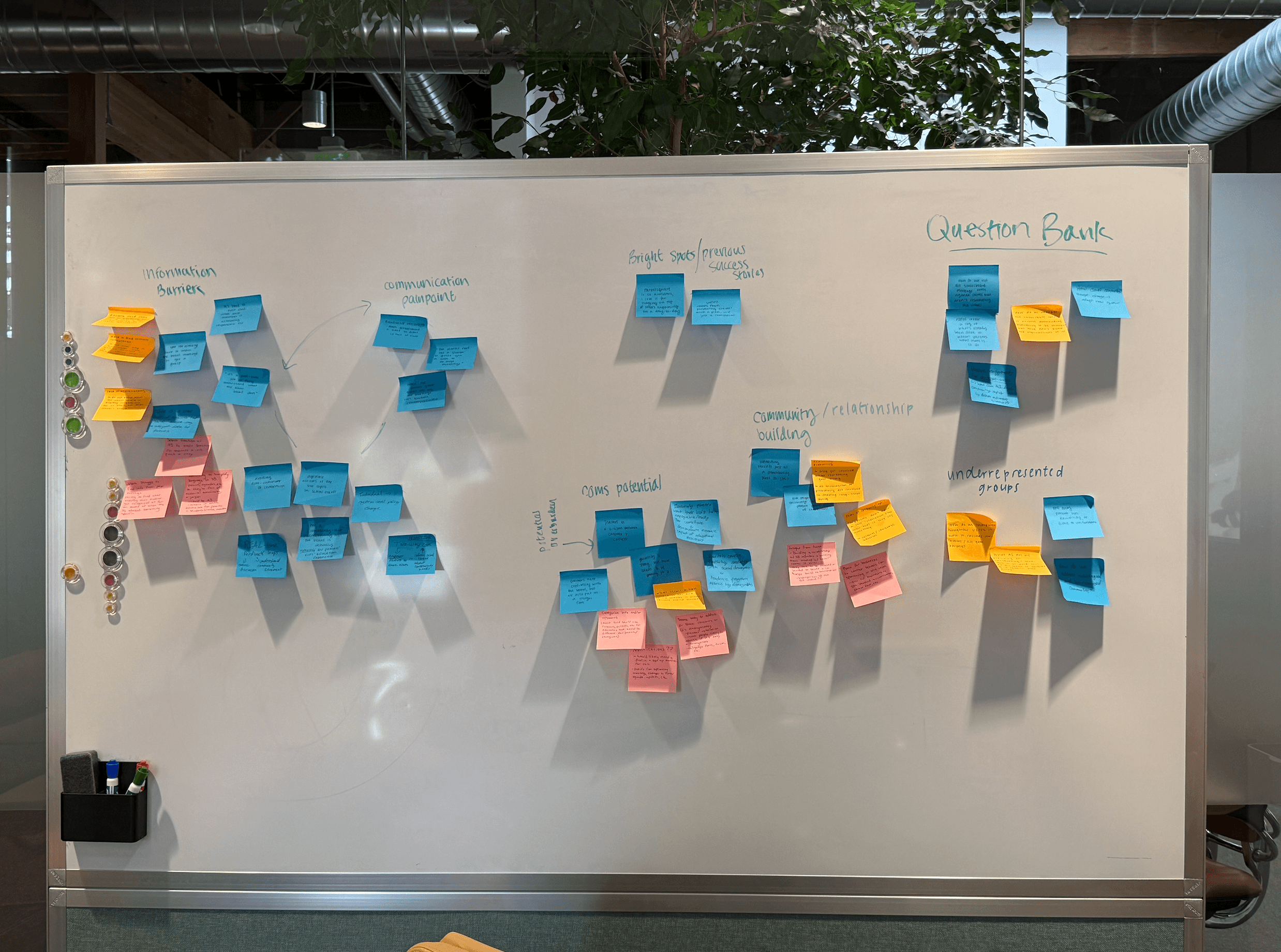
Research synthesis — interns mapping pain points and potential features to address community needs
“Most parents only engaged when something directly affected their child — not proactively.”
Key finding from user research
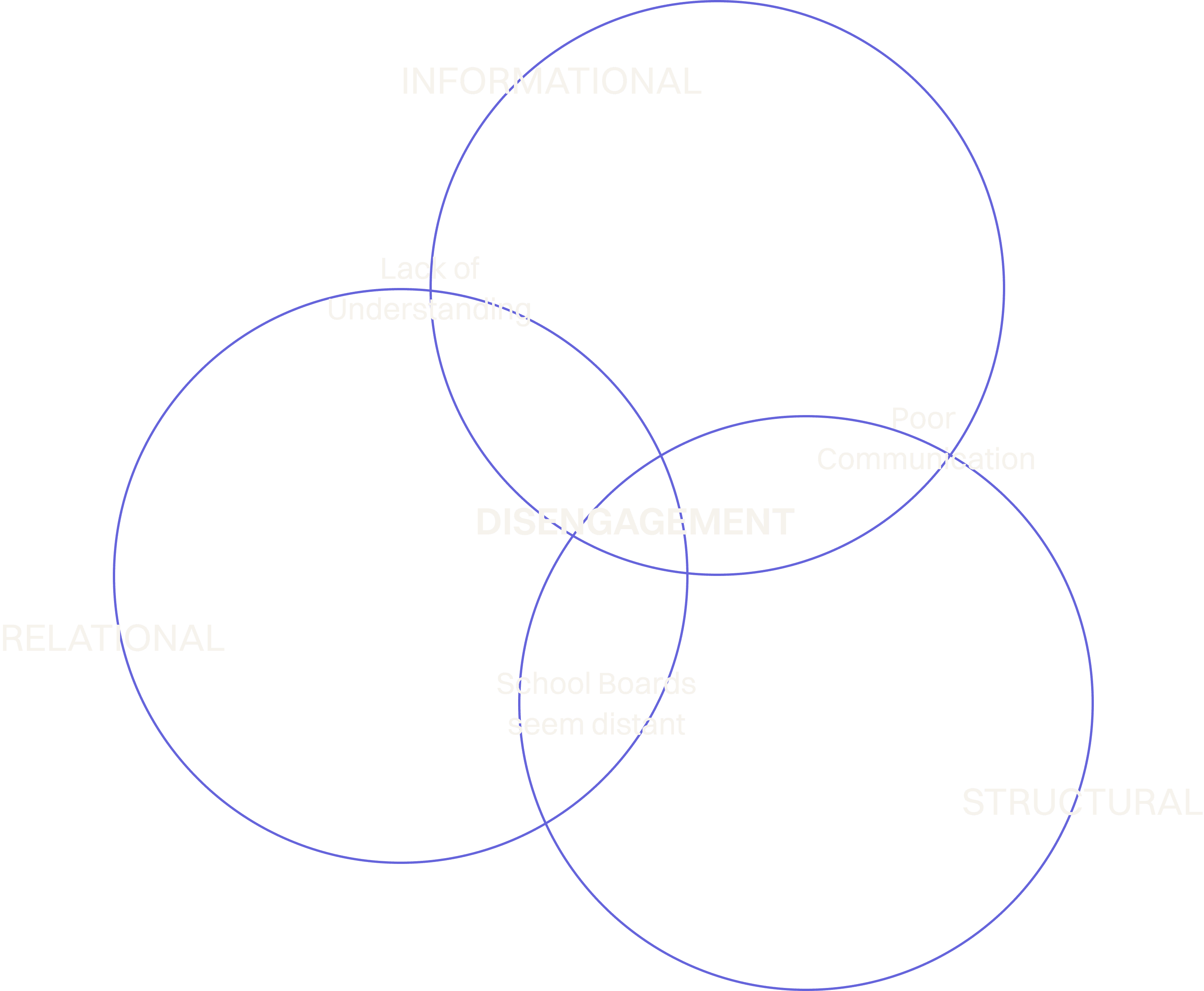
OVERLAPPING THEMES — INFORMATIONAL, RELATIONAL, STRUCTURAL
Three overlapping themes emerged from our interviews: informational barriers, relational disconnect, and structural friction. At the center of all three sits disengagement — not caused by apathy, but by a system that makes participation feel impossible. This framing became the foundation for everything we designed.
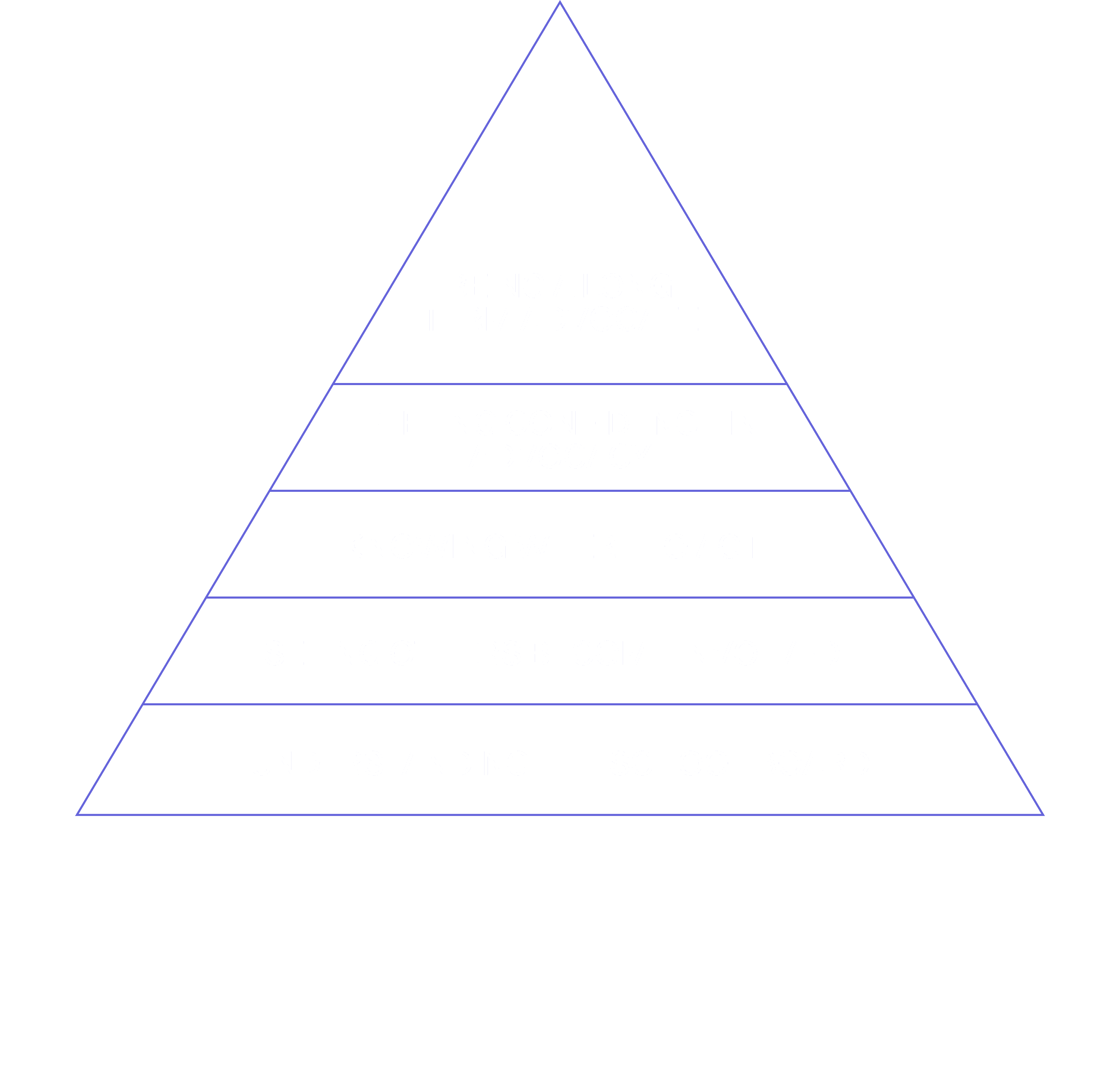
HIERARCHY OF ENGAGEMENT — DESIGNED FROM THE BASE UP
Inspired by Maslow’s Hierarchy of Needs, we mapped the journey a parent must take before becoming a long-term advocate. Before anyone can speak up confidently, they first need to understand the system, see others engaged, and know where to act. We used this hierarchy to prioritize features — designing from the base up, so no user gets left behind at the first step.
Solution
One place. Plain language. Clear next steps.
We designed a School Board Engagement Toolkit — a centralized, easy-to-navigate platform that simplifies how parents and community members access school board information. The toolkit organizes meeting details, agendas, and key policies in plain language while offering resources on how to participate and advocate effectively.
What the toolkit includes.
01
Understanding Your School Board
A clear breakdown of who sits on your local school board, what their roles are, what decisions they make, and how their choices directly affect your child's education.
02
How to Contact & Get Involved
Step-by-step guidance on how to reach your school board representatives, attend meetings, sign up to speak, and make your voice heard in the decision-making process.
03
Take Action
A step-by-step guide for parents ready to engage — whether that means speaking at a meeting, submitting a written comment, or preparing a statement. Designed to make first-time civic participation feel achievable.
04
Find Your Next Meeting
An action-oriented guide walking parents through finding their local board meeting, knowing what to expect when they arrive, and how to sign up to speak.
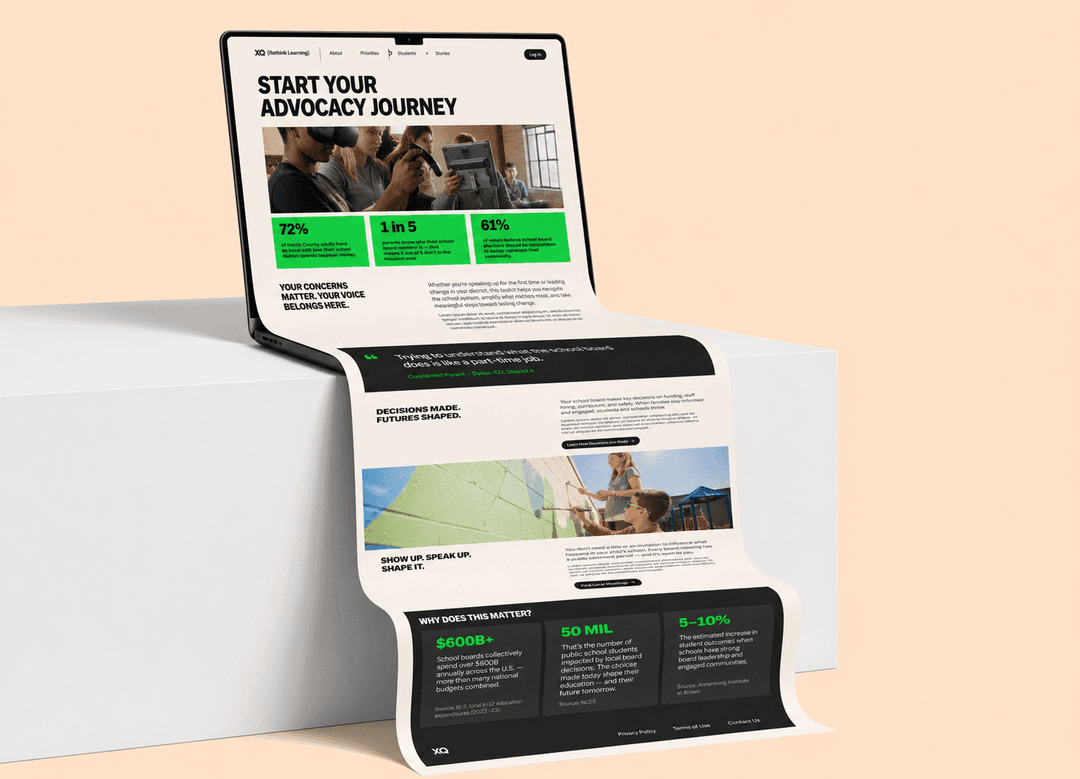
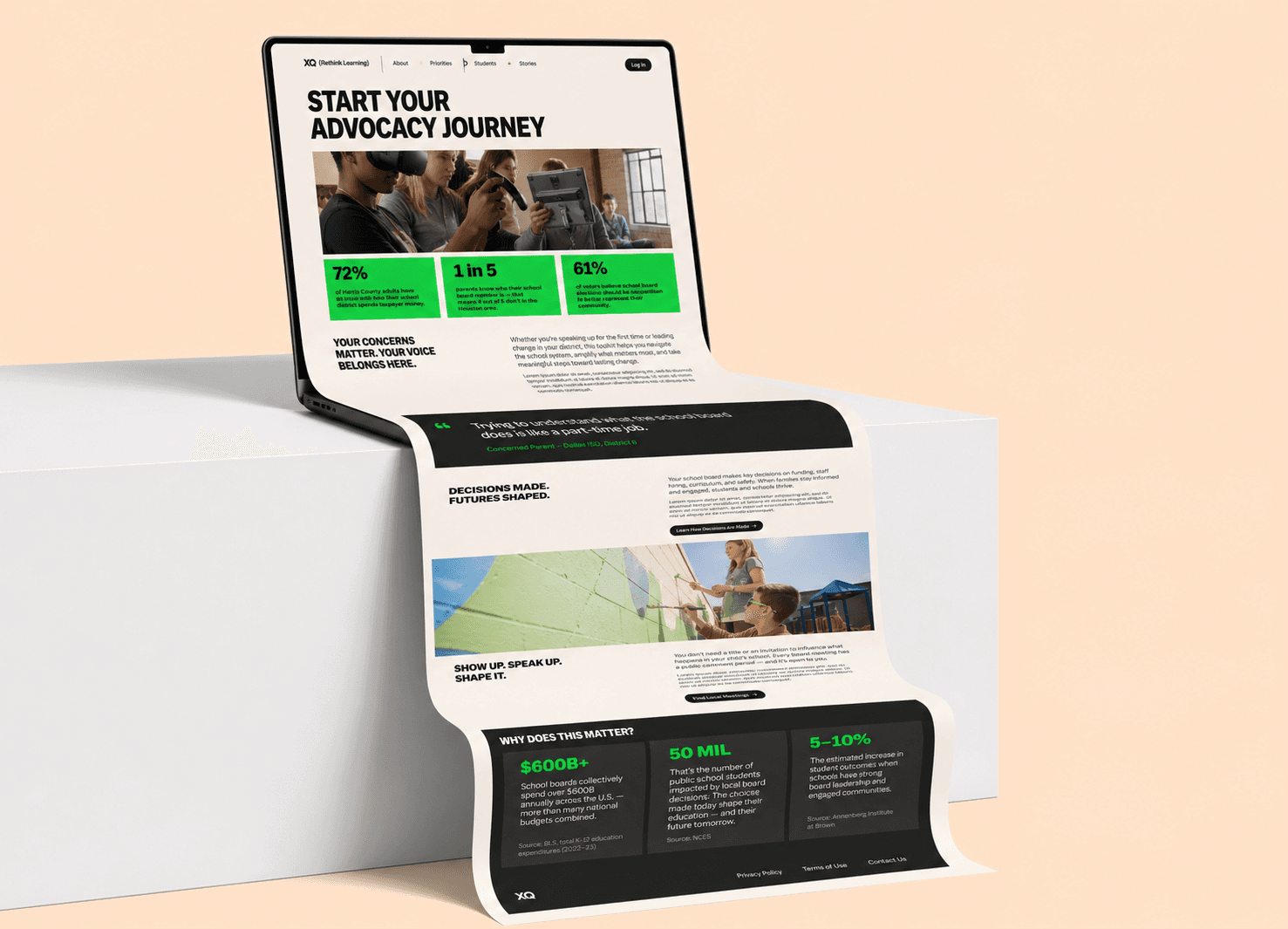
Note: Product images and recordings have been redacted due to confidentiality. The design, structure, and information architecture shown are accurate.
OVERVIEW
A full walkthrough of the toolkit — showing how parents can understand their school board, find meetings, take action, and connect with their community.
PAGE 01 — LEARN HOW THE SCHOOL BOARD WORKS
A comprehensive educational guide that moves parents from zero knowledge to full understanding. Covers what a school board is, who sits on it, what they do day-to-day, and how decisions get made — all in plain language.
PAGE 02 — FIND YOUR NEXT MEETING
An action-oriented guide that walks parents through finding their local board meeting, knowing what to expect when they arrive, and how to sign up to speak.
PAGE 03 — TAKE ACTION NOW
A step-by-step guide for parents ready to engage — whether that means speaking at a meeting, submitting a written comment, or preparing a statement. Designed to make first-time civic participation feel achievable.
Process
Three decisions that shaped the product.
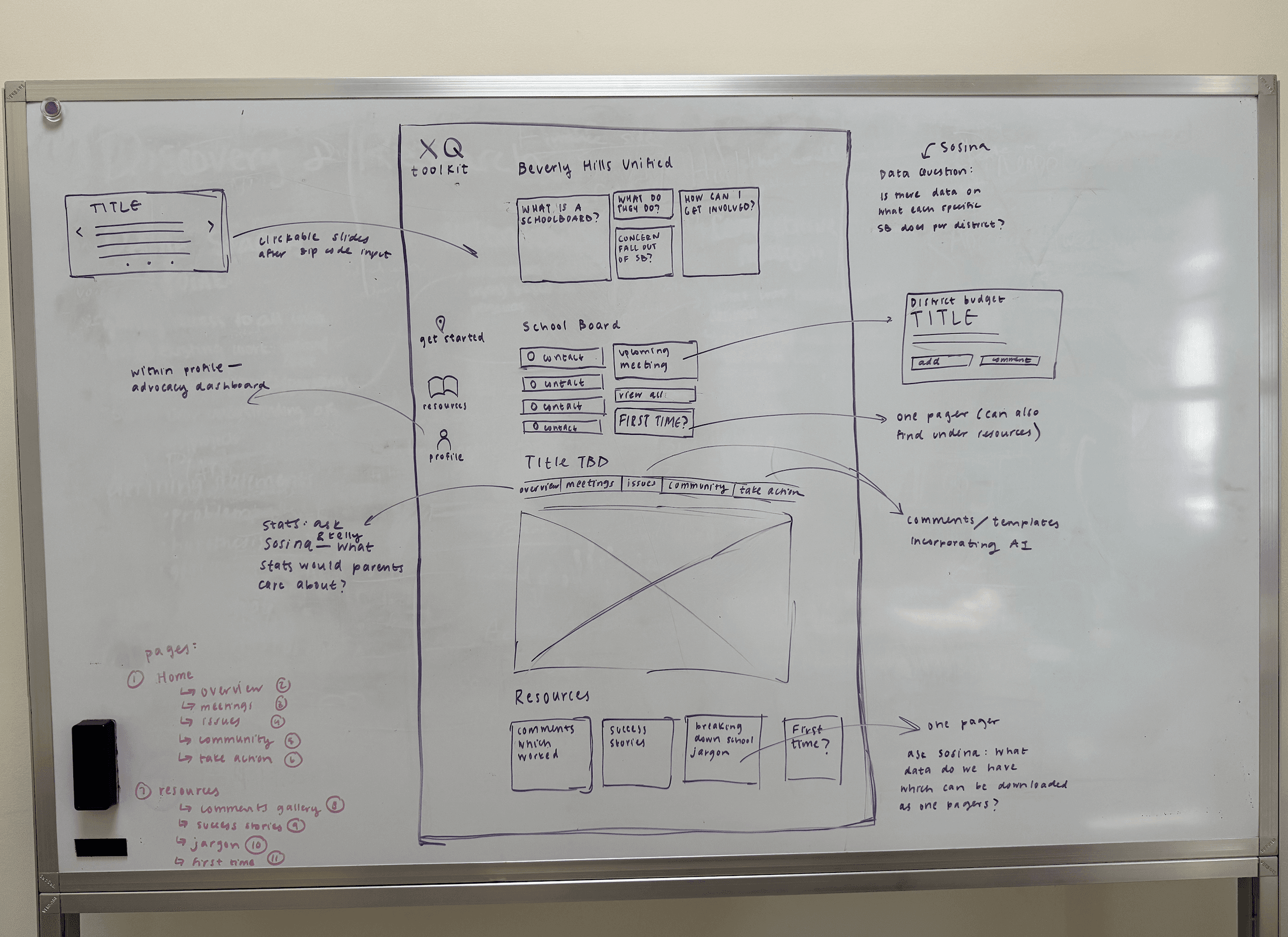
Early whiteboard session — team brainstorming and sketching initial concepts
User Flows
Mapping the paths that matter.
We designed around three core moments of need — the situations that actually bring parents to the toolkit.
FLOW 01 — FINDING A MEETING

Click to expand
FLOW 02 — SPEAKING AT A MEETING

Click to expand
FLOW 03 — UNDERSTANDING A POLICY
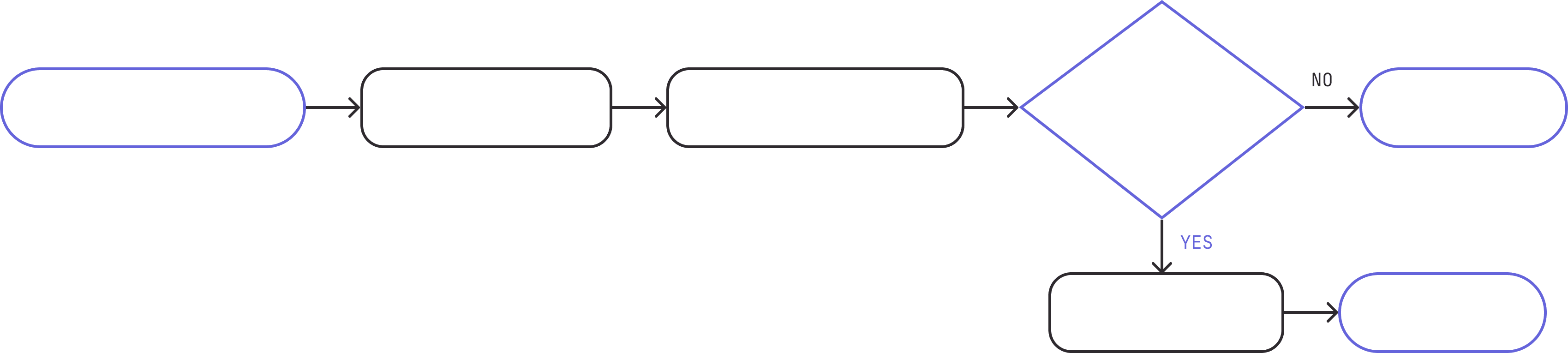
Click to expand
01
Plain language over policy language.
School board materials are written for administrators, not families. We made the deliberate decision to rewrite all content in plain, conversational language — tested against a 6th grade reading level — so parents without formal education backgrounds could understand and act on it.
02
Centralized platform over document library.
Early versions of the toolkit were a collection of PDFs and links — essentially replicating the problem we were trying to solve. We redesigned it as a centralized, navigable platform so users could find what they needed in one place without digging through district websites.
03
Designing for moments of need, not general browsing.
Our first prototype assumed parents would seek out information proactively. User feedback showed the opposite — most parents only engaged when something directly affected their child. We redesigned the information architecture around specific moments of need (upcoming meeting, policy change, how to speak at a meeting) rather than a general resource hub.
Outcome
Approved for development. Ready to scale.
The toolkit was presented to XQ Institute’s Lead Engineer, CPO, Managing Director, and Product Manager — and approved for development. Designed as a modular system, it is built to scale across multiple school districts nationwide, giving every community the same access to clear, actionable civic information.
Nationwide
Designed to scale across U.S. school districts
Bridged
The communication gap between school boards and the communities they serve
NDA
A significant portion of this work is protected under a non-disclosure agreement. The case study above represents a high-level overview of the design process and outcomes. For a more in-depth walkthrough of research findings, wireframes, and final designs, please reach out directly.
rhythmkumar2004@gmail.com →Retrospective
What I learned.
01
Accessibility is a design decision, not an afterthought.
Designing for parents with limited time and varying literacy levels forced me to question every word choice and every layout decision. Simplicity isn't simple — it requires more intention than complexity.
02
Research changes what you build, not just how you build it.
Our initial prototype was wrong — not in execution but in assumption. The research finding that parents engage reactively, not proactively, fundamentally changed the product's information architecture.
03
Designing for civic systems requires empathy at scale.
This project wasn't just a UX problem — it was a civic one. Understanding the emotional weight of feeling excluded from decisions that affect your child made every design choice feel more meaningful.